




Can Red Light Therapy Soothe Skin After Sun Exposure?
IN THIS ARTICLE
- 01 How Does Sun Exposure Affect The Skin?
- 02 What Happens When You Get Too Much Sun Exposure?
- 03 How Does Red Light Therapy Work?
- 04 What Are the Benefits of Red Light Therapy and Sun Damage?
- 05 Risks of Using Red Light Therapy to Treat Sunburn?
- 06 Best Red Light Therapy Devices For Sunburn and Sun Exposure Relief
- 07 How to Use Red Light Therapy After Sun Exposure: A Step-by-Step Guide

Red light therapy has become known for its powers in skin recovery. Reducing inflammation, helping skin cells work efficiently, and maintaining overall skin health. But can red light therapy aid in repair after excessive sun exposure and sunburn? While red light therapy is great for healing the skin after mild sun exposure, it’s not a treatment for sunburn, nor should it replace proper sun protection. Here’s what you need to know about sunburn, excessive sun exposure and red light therapy’s abilities and limitations when it comes to recovery.
How Does Sun Exposure Affect The Skin?
Light is imperative to our health and wellbeing. Sunlight is fantastic for our bodies (circadian rhythm, vitamin D, and serotonin), but we don’t need excessive amounts of it to benefit. And we still get all of these benefits when practising sun safety.
Sunlight is a full-spectrum energy source that emits visible light, infrared light and ultraviolet (UV) radiation.
Like most things in life, too much of it is harmful to our health. The sun emits UVA and UVB rays (proven carcinogens), which cause cumulative damage to the skin. This accumulation of UV exposure causes DNA damage, which, over time, causes skin ageing, hyperpigmentation and an increase in skin cancer.
What Happens When You Get Too Much Sun Exposure?
Excessive sun exposure is detrimental to our health, leading to skin damage and sunburn.
Too much sun exposure can result in symptoms such as:
-
- Redness
- Burning
- Skin that’s hot to the touch
- Dry, tight skin
- Peeling skin
- Blistering
- Fever (seek medical attention immediately if you feel unwell)
Sunburn isn’t just burning of the skin; it’s also the sign of significant DNA damage to skin cells. This DNA damage leads to mutations in the cells, which can lead to skin cancer. When sunburnt, the risk of skin cancer increases. In fact, having 5 or more sunburns doubles your risk for melanoma (the most serious form of skin cancer).
You don’t have to experience sunburn to experience DNA damage from the sun, though. For years, sun damage can be cellular and not visible in the skin just yet. The build-up of this damage often reveals itself later in life, showing as fine lines and wrinkles and uneven skin tone.
How Does Red Light Therapy Work?

Red light therapy (photobiomodulation) is a technology that uses specific wavelengths and colors of light to trigger skin cell responses, leading to various visible skin outcomes, such as fewer fine lines, improved skin tone, and reduced redness.
Certain wavelengths can penetrate the skin and interact with our cells and the way they behave. Wavelengths are chosen for the ‘optimal window’ of effectiveness — think of it like the Goldilocks of red light therapy. This window is known as the ‘biphasic dose response’ meaning that at the right dose, it offers a bunch of skin benefits, but at the incorrect dose, it can have the opposite effect.
One of the main ways that at-home red light therapy helps skin recovery is to stimulate the mitochondria (the powerhouse cell) in the skin in order to produce ATP. This energy and aid with recovery responses.
Often, red light therapy is combined with near-infrared light, which isn’t visible to the naked eye, and can penetrate deeper into tissue, leading to enhanced results.
It’s important to note that red light and near-infrared therapy are not UV light. They’re on completely different ends of the light spectrum. While red light is being studied for helping biological processes, UV light is known to cause damage. Neither causes your skin to tan and can’t cause sunburn (though this doesn’t mean you should overuse the device).
What Are the Benefits of Red Light Therapy and Sun Damage?
When used correctly, red light therapy can aid with recovery from sun exposure and certain types of sunburn. However, it’s important that you don’t use red light on burns right away. If you have blisters following sunburn, you should seek medical attention immediately and not use a red light therapy device. Wait a few days to let your burn go down before using red light therapy.
If you aren’t sunburned, but want to use the red light therapy mask after sun exposure, then there’s no need to wait a few days.
Inflammation
The process of sunburn is an inflammatory one due to excessive UV exposure. Studies have shown that photobiomodulation can reduce inflammation in tissue by regulating inflammatory responses, which can lead to more comfortable skin. You might find skin feels less hot and tight after using.
Redness
One of the core elements of sunburn is redness, which can persist for some time following sun exposure. Red light therapy has shown promise in reducing erythema (redness) in many instances, including post-treatments (using infrared therapy). LED therapy won’t rid redness straight away, but it can help your skin return to its baseline redness. It can especially help with that blotchy look following sun exposure.
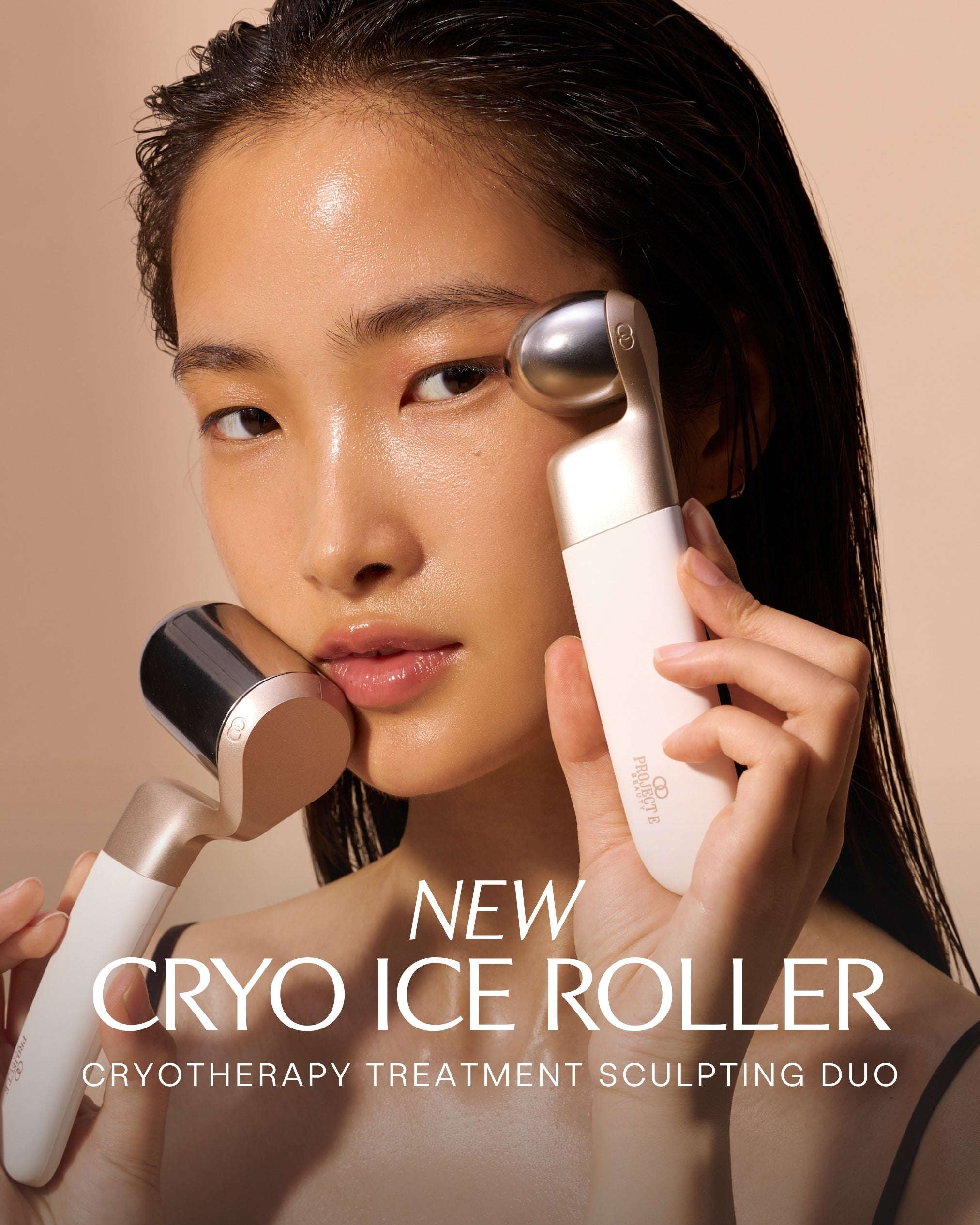
Tip: After sun exposure use an ice roller like the Project E Beauty Cryo Ice Roller that has been in the fridge to soothe inflammation, instantly cool skin and calm redness. But be careful as your skin is still sensitive.

Skin recovery and repair
Skin that’s been exposed to the sun needs recovery and repair to be a top priority. Light therapy helps with just that. At the correct wavelengths, red light triggers ATP production, which provides the power to most of the cellular processes in the body.
Red light therapy can’t ‘prepare’ the skin for the sun because we should never aim to get a sun tan or burn. Being in the sun without protection is never safe, regardless of using red light therapy beforehand or not. Although red light therapy can aid with skin repair and recovery, it should never be used as a preparation tool for pre-sun exposure. The same goes for using UV tanning beds; they cause irreversible damage to the skin and red light therapy cannot keep the skin safe from their rays or reverse damage after using a sunbed.
Risks of Using Red Light Therapy to Treat Sunburn?
It’s important to understand the limitations of red light therapy. While it’s an incredible tool, what it can’t be used is as an excuse to not practice sun safety. Red light therapy cannot reverse DNA damage in a way that means you can continually sunbathe and experience sunburns and think you’re protected. It can never replace sunscreen and UV clothing while outside. Red light therapy cannot protect your skin from UV light.
Sunburn healing requires being sensible; seeking medical advice if needed, soothing the area and not rushing into using a device without allowing your skin to heal.
Best Red Light Therapy Devices For Sunburn and Sun Exposure Relief
The most important aspect when finding a red light therapy device is making sure that it’s scientifically proven and safe.
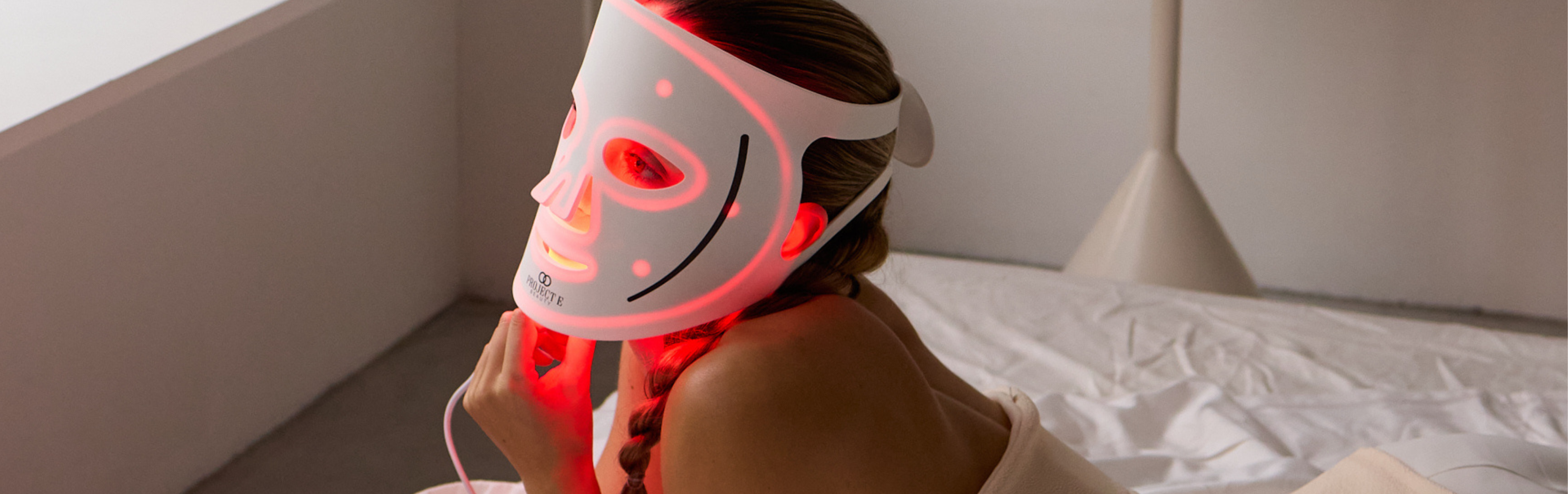
The LumaLux Face Pro LED Red Light Therapy Mask contains the third-party safety verification CE mark with 100% soft silicone and built-in cushion eye protection for safety and comfort. It features 7 colors at proven wavelengths (460-1072nm) to ensure that optimal window. It also has 800 LEDs, which is 4x industry average, with sessions only needing 3-6 minutes vs up to 10 minutes for other devices on the market.
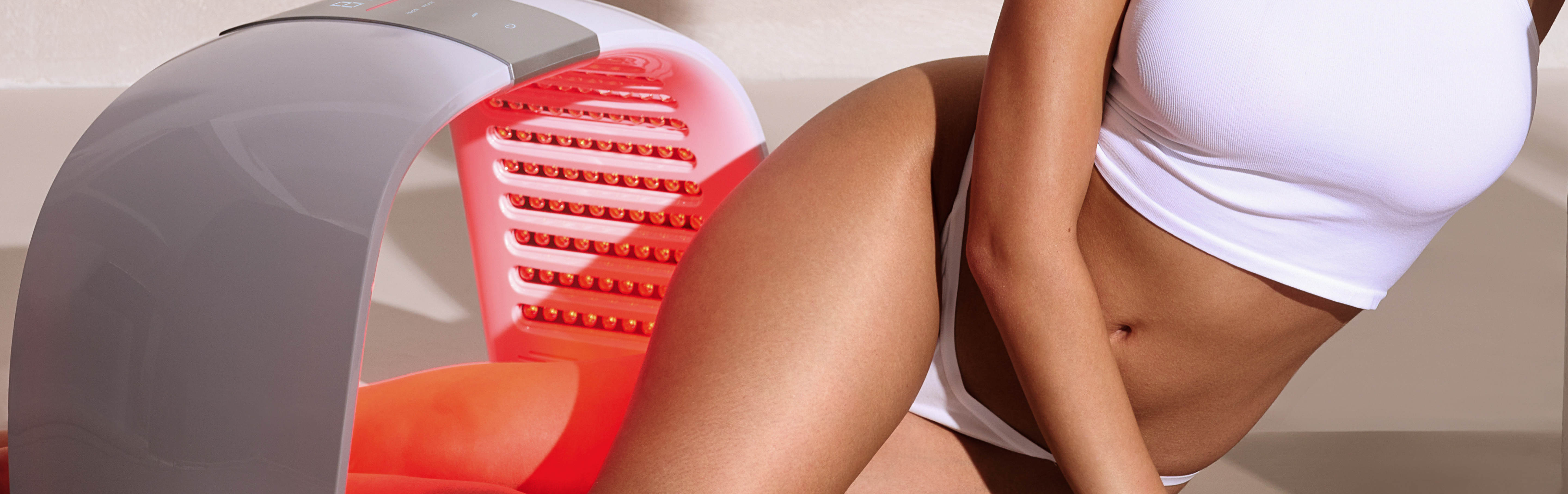
If you’d like to experience the benefits of red light therapy on the face and the body, you might want to look into getting the Alora Age Renewal LED Light Therapy Panel. It contains 5 wavelengths, 1488 LEDs (290% more than other industry LEDs) and has a clever 3-panel design and stand, meaning you don’t need to reposition it for maximum coverage.
How to Use Red Light Therapy After Sun Exposure: A Step-by-Step Guide
- Seek medical attention if you need it. If you have a fever, rapid heart rate, are fainting or have burns that are blistering, you should seek medical help right away.
- Reduce sun exposure completely and use soothing ingredients on the skin, avoiding any harsh actives.
- If you have visible sunburn, allow your skin to recover for a day or 2, applying your soothing ingredients and keeping the area hydrated. You need to wait until your skin no longer feels hot to the touch and tight.
- On day 3, if you’ve been cleared by a medical professional and don’t have skin that’s blistered or red raw, you can start to introduce red light therapy. We recommend the LumaLux Face Pro LED Red Light Therapy Mask for the face and Alora Age Renewal LED Light Therapy Panel for the body.
- Use the device for a few minutes, a few times a week. Don’t exceed the recommended time and don’t use it daily. For example, you only need to use the LumaLux for 3 minutes, 3 times a week. Any additional time won’t increase your recovery timeline, and it may actually hinder recovery instead.
- Follow your device session with some soothing and calming skincare, prioritizing ingredients such as glycerin, aloe, hyaluronic acid and oat.
The main takeaway when it comes to red light therapy and sunburn is that although RLT can help with reducing inflammation, it’s never an alternative for proper sun protection. You need to practice sun safety by using UV clothing and hats, wearing sunscreen and not bathing in the sun — particularly during peak midday sun hours when the UV is at its strongest.

LumaLux Face | Pro LED Red Light Therapy Mask
Our most advanced LED mask for deeper skin renewal - fine lines, acne, hyperpigmentation, skin texture

Cryo Ice Roller | Cold Therapy Sculpting Duo
Premium cold therapy ice roller with face and eye attachments for the ultimate sculpting experience



Leave a comment
This site is protected by hCaptcha and the hCaptcha Privacy Policy and Terms of Service apply.